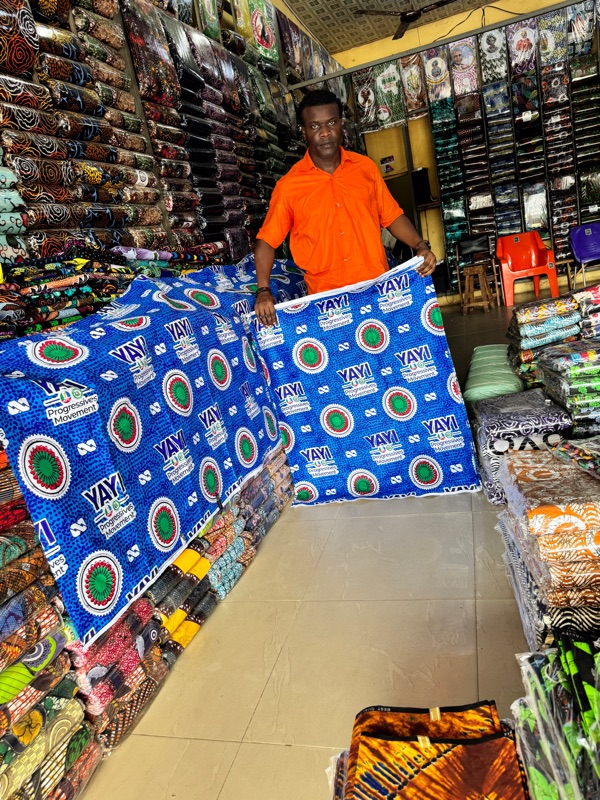
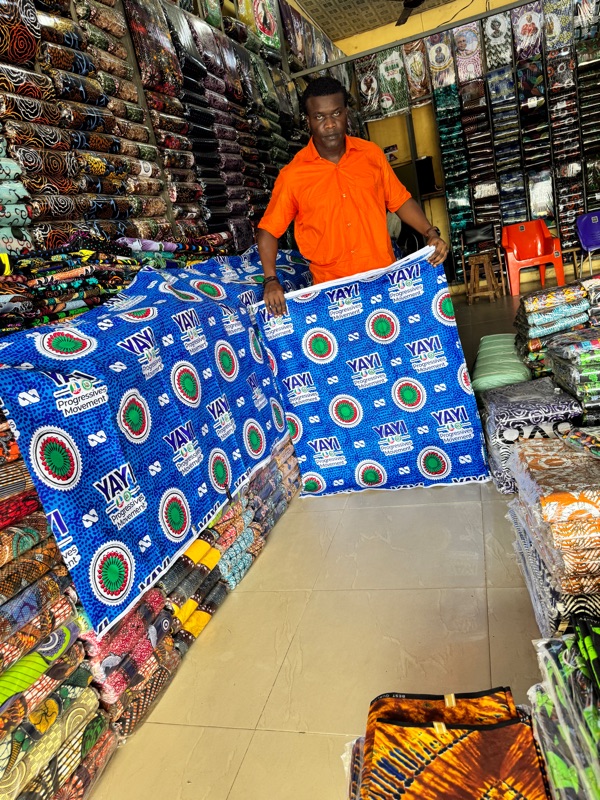
Few textiles have become as deeply associated with Africa as Ankara fabric. Known variously as African wax print, Dutch wax print, Wax Hollandais, Kitenge, or simply Ankara, the fabric occupies a unique place in African social, cultural, and economic life. Its vibrant colours and symbolic motifs have transformed it from a commercial textile into a visual language through which Africans express identity, status, political opinion, and cultural belonging. Yet, paradoxically, Ankara’s origins lie outside the African continent.
Origins of Ankara Fabric
The history of Ankara fabric begins in Indonesia, where artisans developed the batik technique centuries ago. Batik involves applying wax to cloth before dyeing it, creating intricate patterns through a wax-resist process. During the nineteenth century, Dutch textile manufacturers sought to mechanize this labour-intensive craft for commercial production in the Dutch East Indies (present-day Indonesia). However, machine-made versions failed to gain widespread acceptance among Indonesian consumers, who preferred traditional handmade batik. As a result, Dutch manufacturers redirected the fabric to alternative markets, particularly along the West African coast. (Victoria and Albert Museum)
According to textile historian Ananya Jahanara Kabir, African wax prints emerged through the interaction of “Indonesian batik, Indian ornamental traditions, West African colour preferences, and European industrial production techniques.” This transcontinental history makes Ankara one of the most globally interconnected textiles in modern fashion history. (Tandfonline)
Adoption and Africanization
By the late nineteenth century, wax-print textiles had become highly desirable across West Africa, especially in present-day Nigeria, Ghana, Togo, Benin, and Côte d’Ivoire. What began as an imported commodity gradually became indigenized through African consumer preferences and market innovation. African traders assigned names, meanings, and stories to particular designs, transforming the fabric into a medium of cultural communication. (ResearchGate)
Historian Victoria Rovine argues that African consumers were not passive recipients of foreign products; rather, they actively shaped the meanings and uses of wax prints. Patterns came to symbolize proverbs, historical events, political campaigns, social values, and personal aspirations. In many communities, women used specific prints to communicate messages without words, making Ankara an important cultural archive embedded in everyday life. (AUC Library)
Ankara and African Identity
The twentieth century witnessed the transformation of Ankara into a powerful symbol of African identity. During the era of nationalist movements and political independence across Africa in the 1950s and 1960s, locally inspired dress became a visible expression of pride and self-determination. Ankara fabrics featured prominently in celebrations, ceremonies, political gatherings, and state functions. As nations sought to define postcolonial identities, African wax prints became associated with cultural authenticity and self-expression. (Victoria and Albert Museum)
Today, Ankara remains one of the most widely recognized African textiles globally. Fashion scholars note that its influence extends beyond the continent, shaping contemporary fashion in Europe, North America, the Caribbean, and the wider African diaspora. Designers continue to reinterpret Ankara through modern silhouettes, accessories, footwear, and luxury fashion collections, ensuring its relevance in the twenty-first century. (Attir)
Economic Importance
The African textile and apparel industry contributes billions of dollars annually to national economies across the continent and provides employment for millions of people in manufacturing, trading, tailoring, and fashion entrepreneurship. Within this ecosystem, Ankara fabrics occupy a central position due to their widespread use and commercial value. Countries such as Nigeria and Ghana have developed substantial markets for wax-print production, distribution, and retail, while international brands and local manufacturers continue to compete for market share. (Wikipedia)
Despite debates surrounding its origins, scholars generally agree that Ankara’s significance today lies less in where it originated and more in how African societies transformed it into a distinctly African cultural product. As cultural theorist Stuart Hall observed, cultural identity is not simply a matter of origins but of “becoming as well as being.” Ankara exemplifies this process of cultural adaptation and reinvention.
Ola Daviva and the Contemporary African Wax-Print Industry
Within the contemporary African textile landscape, Ola Daviva has emerged as a notable participant in the distribution, marketing, and promotion of African print wax fabrics, popularly known as Ankara. The company contributes to the preservation and expansion of Africa’s vibrant textile culture by connecting manufacturers, fashion entrepreneurs, institutions, and consumers with high-quality wax-print fabrics.
In addition to its role in distribution and marketing, Ola Daviva specializes in the manufacture of customized Ankara fabrics, enabling organizations, businesses, religious bodies, social groups, and event planners to create unique fabric designs that reflect their identity and values. Through innovation, quality assurance, and commitment to African textile heritage, Ola Daviva continues to strengthen its position as one of the most vibrant companies in Africa’s Ankara fabric industry, helping to shape the future of African print wax production, branding, and commercialization.
References
Adeoti, A. (2024). Naming and Interpretative Meanings of Selected African Prints and Ankara Fabric Designs.
Kabir, A. J. (2023). Crypt, Cornucopia and the Surface of Pattern: Vlisco’s Designs. Third Text, 37(2), 193–206.
Rovine, V. L. (2015). African Fashion, Global Style: Histories, Innovations, and Ideas You Can Wear. Indiana University Press.
Victoria and Albert Museum. (2023). Cloth of a Continent: Africa Fashion.
Van Kessel, W. M. J. (2019). Wax Prints in West Africa: Unravelling the Myth of Dutch Colonial Soldiers as Cultural Brokers. Brill Academic Publishers.