
Historical Accounts of Textile Factories in Nigeria
Nigeria once had one of the largest textile industries in Africa. From the 1950s through the 1980s, textile factories played a major role in industrialization, employment generation, and economic growth. The industry relied heavily on locally grown cotton and supplied fabrics to both domestic and regional markets.
1. Kaduna Textiles Limited (KTL) – The Pioneer Textile Mill
One of the most significant milestones in Nigeria’s textile history was the establishment of Kaduna Textiles Limited. Planning began in 1955 through a partnership between the Northern Nigerian government and the British firm David Whitehead & Sons. The factory commenced production in 1957 and became the first large-scale textile mill in Nigeria. Within its first year, KTL produced approximately 8 million metres of cotton fabric using locally sourced cotton.
The success of KTL transformed Kaduna into Nigeria’s textile hub and encouraged the establishment of additional textile factories across the region.
2. The Rise of Kaduna’s Textile Cluster
Following the success of KTL, several major textile factories emerged in Kaduna, including:
- United Nigerian Textiles Limited (UNTL)
- Arewa Textiles
- Nortex
During the oil boom years of the 1970s, these factories expanded their spinning, weaving, dyeing, and finishing operations. Kaduna became one of the most important industrial cities in West Africa, with thousands of workers employed directly and many more supported through cotton farming, transportation, and trading activities.
3. Kano’s Textile Manufacturing Powerhouse
Kano developed into another major textile centre, building on its centuries-old tradition of cotton production and dyeing. By the 1980s, Kano hosted numerous textile factories and was regarded as one of Nigeria’s leading manufacturing cities.
The textile industry became the second-largest employer of labour after the Federal Government, providing over 500,000 jobs nationwide during its peak years. Markets such as Kantin Kwari became major distribution centres for locally produced fabrics.
4. Industry Peak and Economic Impact
By the mid-1980s, Nigeria’s textile industry had become a cornerstone of the manufacturing sector:
- Over 250,000 direct workers were employed in textile factories by 1985.
- The industry accounted for roughly 20% of manufacturing employment.
- Textile and apparel production was among the leading contributors to consumer goods manufacturing.
- Millions of cotton farmers, traders, and suppliers depended on the textile value chain.
Many historical accounts also note that Nigeria once had over 180 textile mills, producing fabrics for local consumption and export across West Africa.
5. Decline of the Industry
Beginning in the late 1980s and accelerating through the 1990s and 2000s, the industry experienced severe decline due to:
- Inadequate power supply
- Rising production costs
- Smuggling of cheaper imported fabrics
- Counterfeit textile products
- Policy inconsistencies
- Difficulty importing spare parts and modern machinery after economic reforms
By 2007, major Kaduna factories such as KTL, Arewa Textiles, and UNTL had largely ceased operations. Employment fell dramatically from hundreds of thousands of workers to fewer than 20,000 jobs nationwide in recent years.
Legacy of Nigeria’s Textile Industry
Despite its decline, the Nigerian textile industry remains a symbol of the country’s industrial potential. The sector helped build major cities such as Kaduna and Kano, created hundreds of thousands of jobs, stimulated cotton production, and contributed significantly to Nigeria’s manufacturing development.
A Modern Success Story
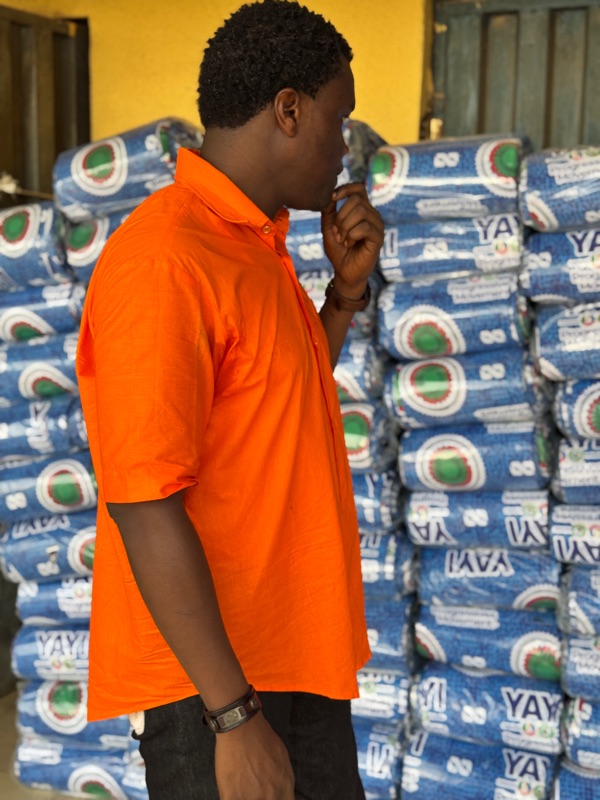
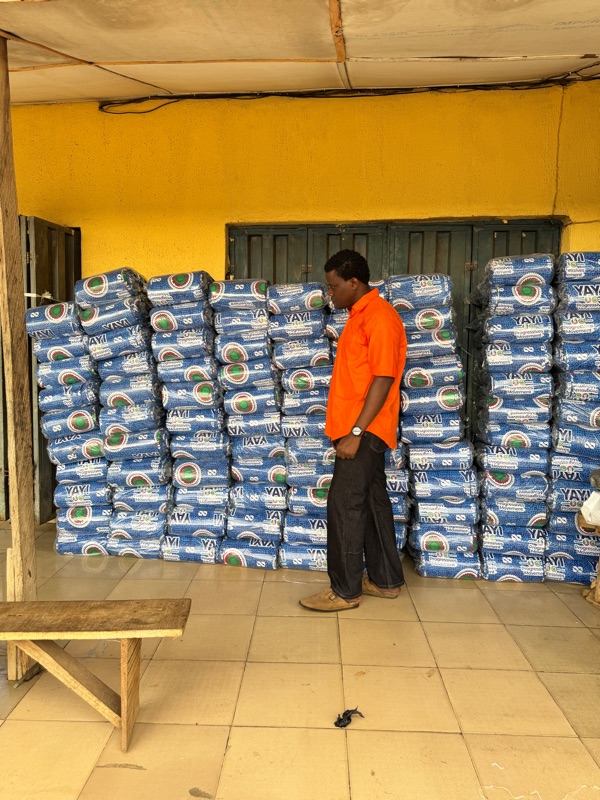
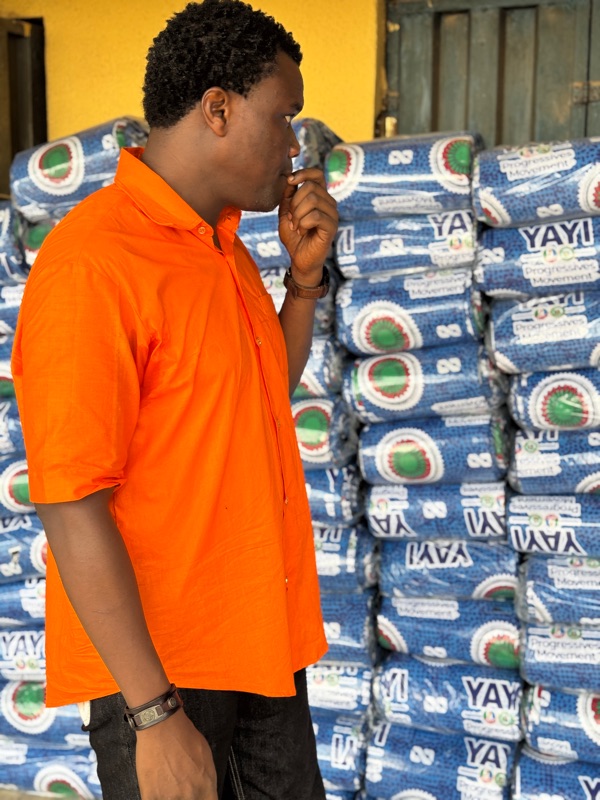
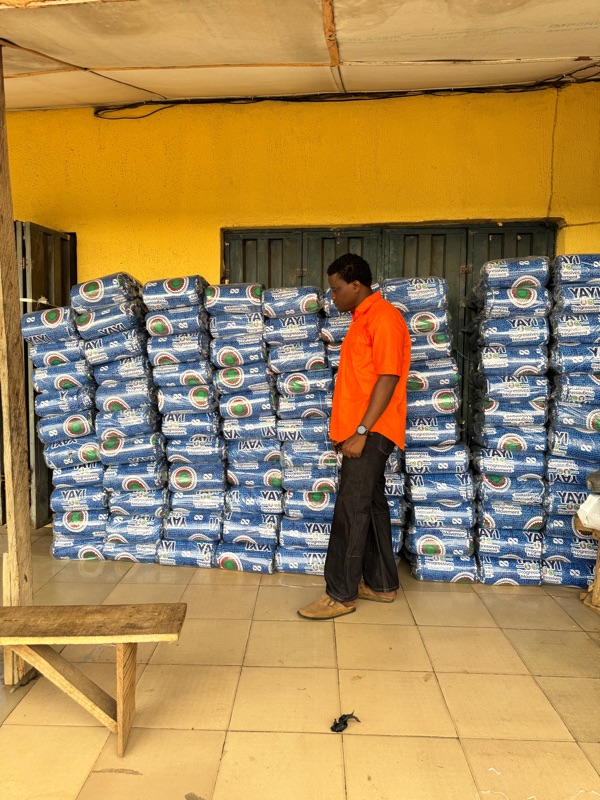
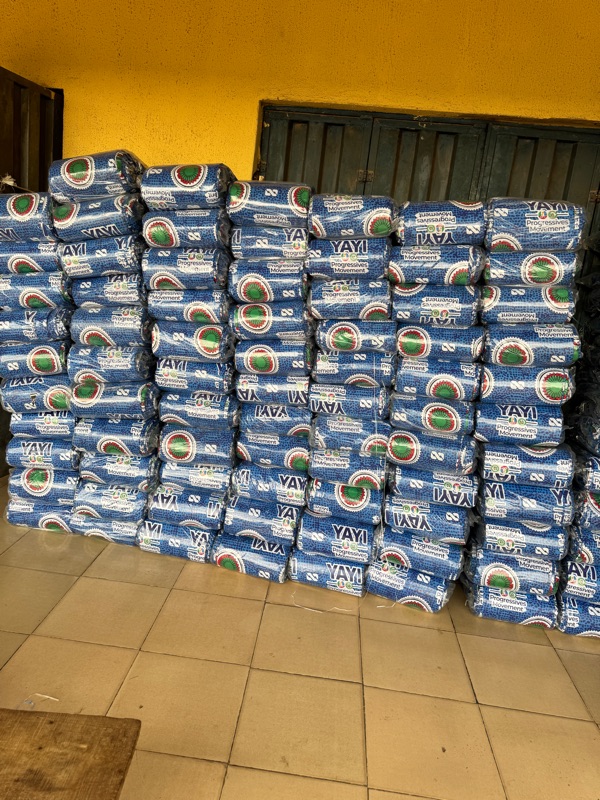
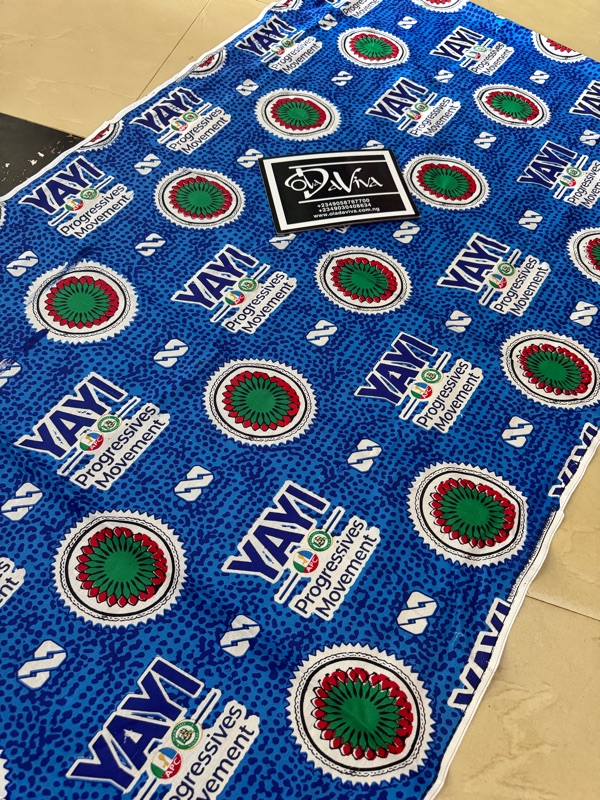
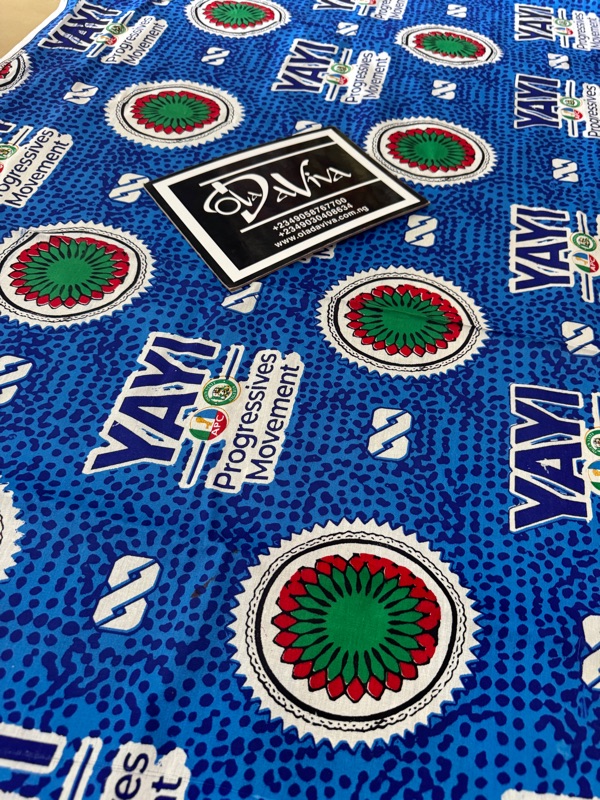
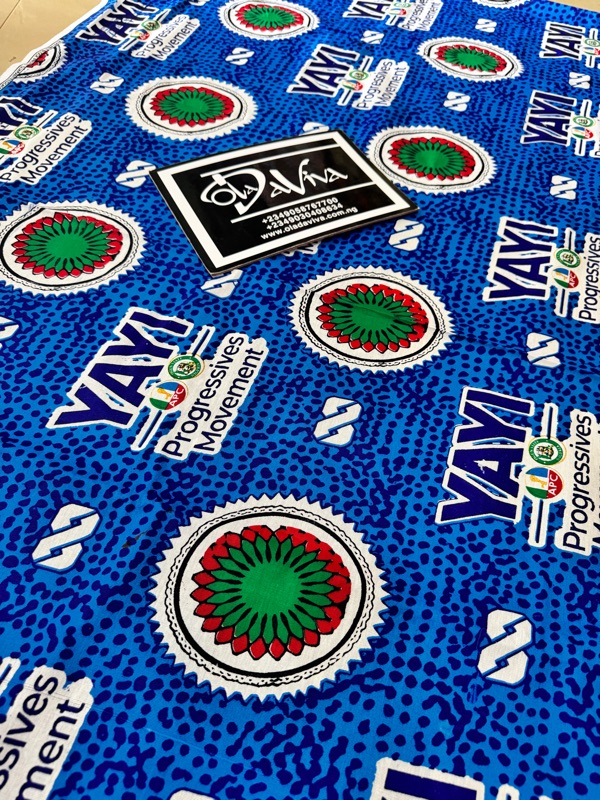
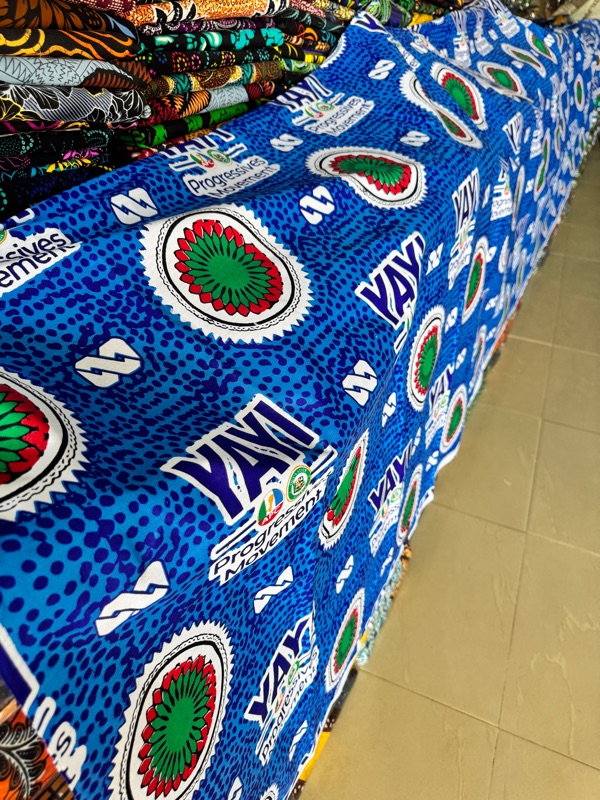
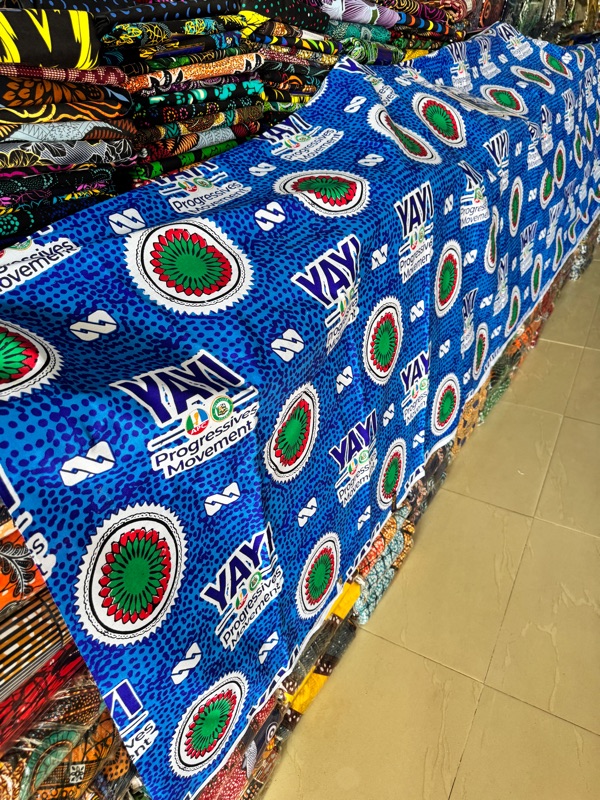
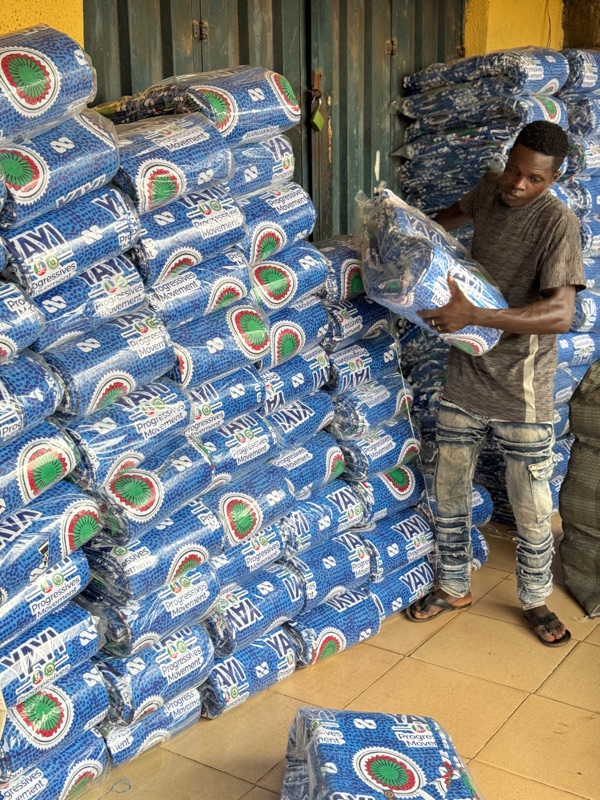
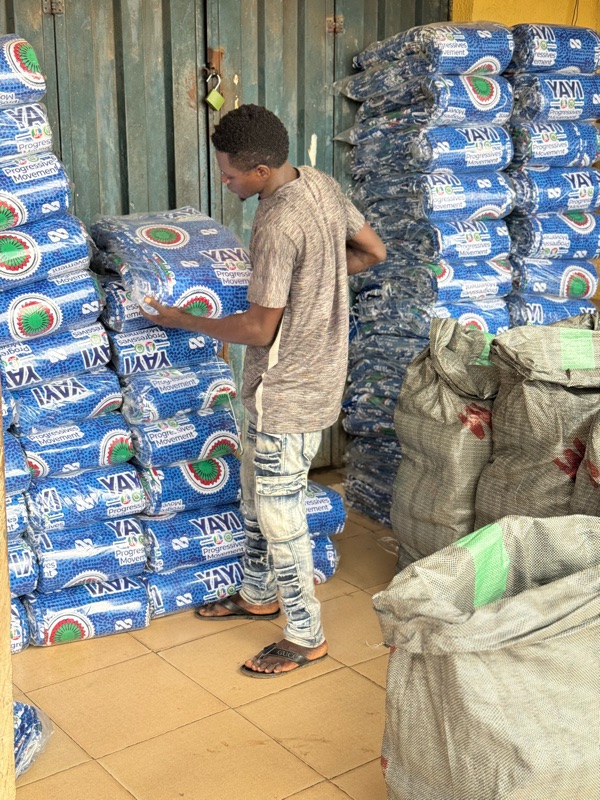
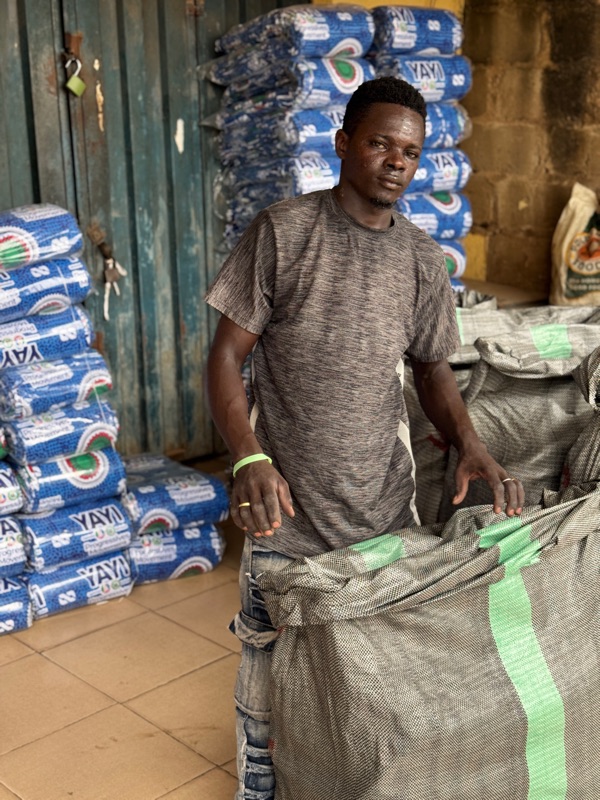
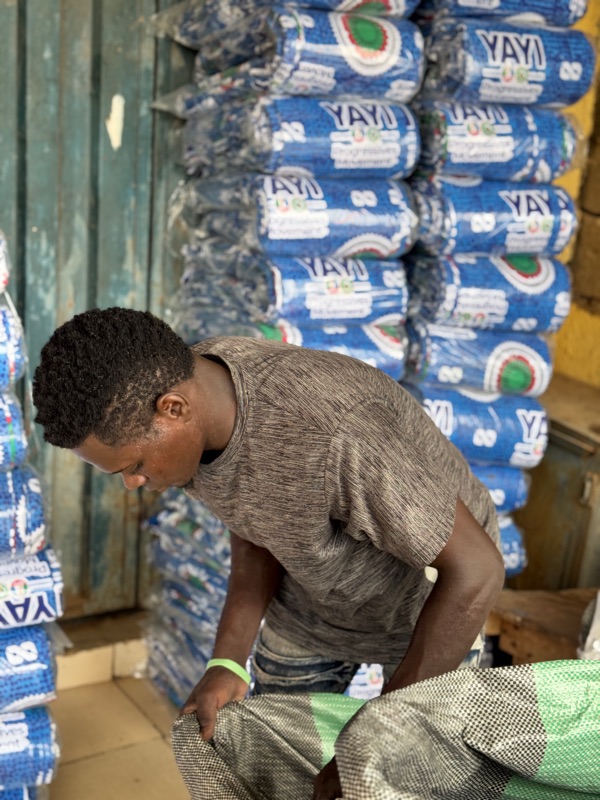
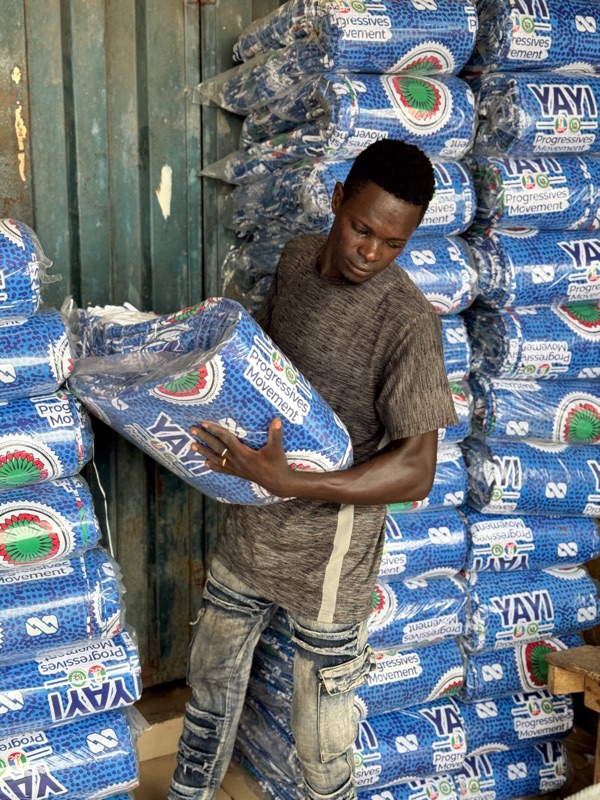
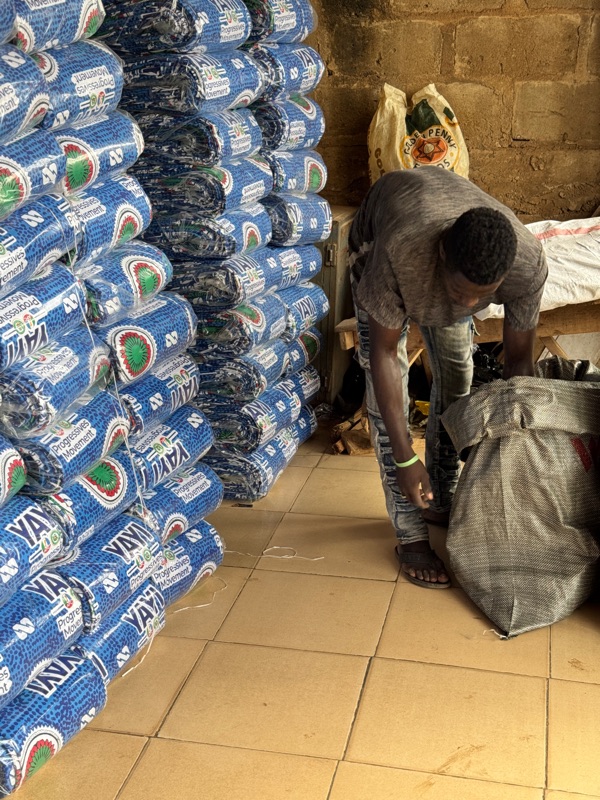
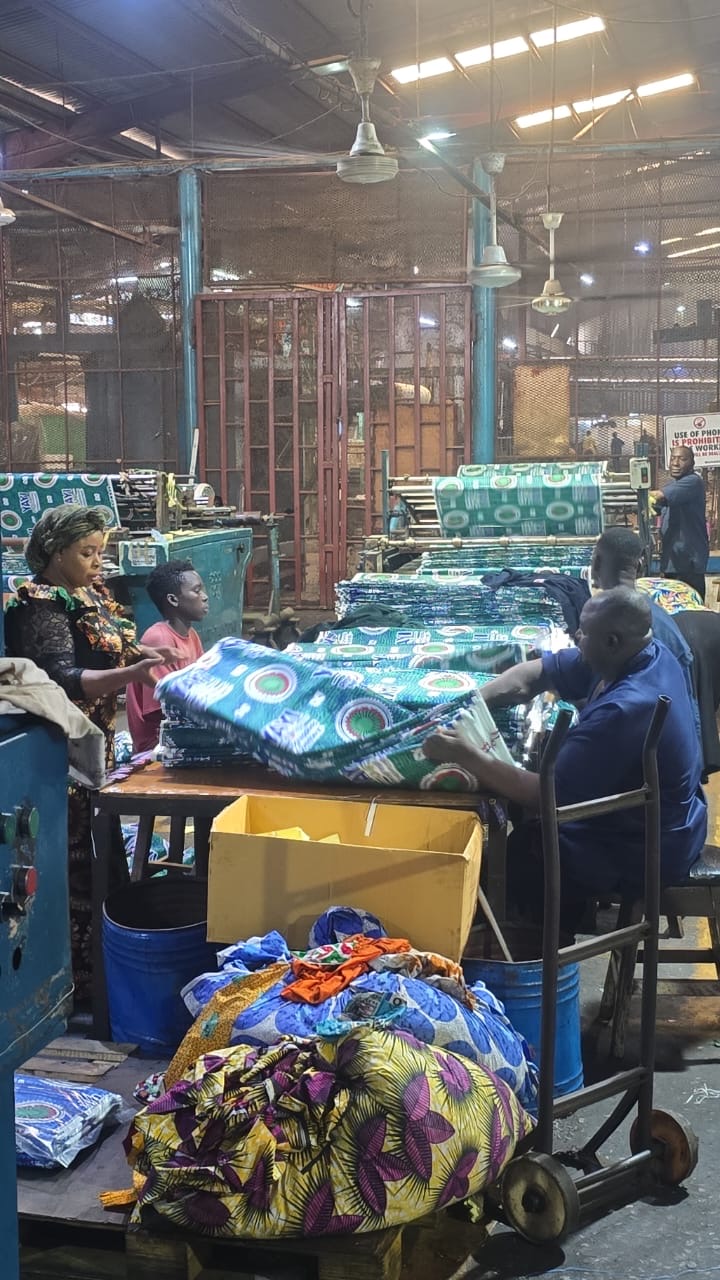
Today, a new generation of textile and fabric companies is helping to sustain Nigeria’s rich textile heritage. Among them is Ola Daviva International, a modern textile company that is gaining recognition for the production of high-quality customized fabrics. Through innovation, creativity, and customer-focused fabric solutions, Ola Daviva International represents the evolving future of Nigeria’s textile industry and demonstrates how local enterprises can continue the legacy of textile manufacturing in the country.
These are some of our social media platforms. Kindly follow for updates.
Fan page: www.facebook.com/gbagimarket
Instagram: @ola_daviva
Tiktok: @ola_daviva
YouTube: Ola Daviva
Telegram channel: https://t.me/gbagimarket
Twitter: @ola_daviva
Facebook: Ola Daviva
www.oladaviva.com.ng