
Step 1: Identify the Logo’s Main Colors
Suppose the logo contains:
- Blue
- Yellow
- White
These become your primary colors.
Before creating the Ankara pattern, determine:
- Which color is dominant?
- Which color is secondary?
- Which color is an accent?
A common rule is:
- 60% dominant color
- 30% secondary color
- 10% accent color
This prevents the design from looking crowded.
Step 2: Make the Logo Stand Out
The logo should never disappear into the background.
For example:
Logo is Blue + Yellow + White
Good backgrounds:
- Navy blue + gold patterns
- White + blue patterns
- Dark charcoal + yellow accents
Poor backgrounds:
- Similar shades of blue behind a blue logo
- Bright yellow logo on bright yellow background
- Too many competing colors
The logo should have contrast with the area where it appears.
Step 3: Use the Color Wheel Principle
Option A: Analogous Colors
Colors that sit next to each other on the color wheel.
Example:
- Blue
- Blue-green
- Green
Result:
- Elegant
- Premium
- Harmonious
Good for corporate Ankara fabrics.
Option B: Complementary Colors
Colors opposite each other.
Example:
- Blue and Orange
- Red and Green
- Purple and Yellow
Result:
- Vibrant
- Attention-grabbing
Good for campaign fabrics and event fabrics.
Step 4: Limit the Number of Colors
For professional Ankara production:
- 2–4 colors = Excellent
- 5 colors = Acceptable
- More than 6 colors = Often looks busy
Many successful customized Ankara fabrics use only 3 colors.
Step 5: Consider Fabric Viewing Distance
People usually see Ankara fabrics from:
- 2 meters
- 5 meters
- 10 meters
A design that looks beautiful on a computer screen may become confusing on fabric.
Ask:
- Can the logo still be recognized from a distance?
- Are the motifs clear?
- Is the contrast strong enough?
Step 6: Use a Neutral Color When Needed
Neutral colors help balance strong logo colors.
Examples:
- White
- Cream
- Black
- Gray
- Beige
If a logo has three bright colors, adding a neutral background often makes the design look more sophisticated.
Step 7: Match Colors to the Purpose
Corporate Branding
Use:
- Company logo colors
- Clean patterns
- Moderate contrast
Political Campaign Fabrics
Use:
- High contrast
- Bold colors
- Large logo placement
Church Fabrics
Use:
- Royal blue
- Purple
- Gold
- White
Wedding/Event Fabrics
Use:
- Gold
- Champagne
- Burgundy
- Emerald green
- Cream
Step 8: Check Color Dominance
Many designers use the 70-20-10 rule:
- 70% Background color
- 20% Secondary pattern color
- 10% Accent/logo color
This keeps the fabric balanced.
Professional Rule Used by Ankara Designers
Before final production, convert the design to grayscale (black and white).
If the logo can still be clearly distinguished from the background in grayscale, the color contrast is usually strong enough for printing.
Example
If a logo contains:
- Dark Blue
- Orange
- White
A strong Ankara combination could be:
- Background: Deep navy blue (60%)
- Pattern motifs: White (30%)
- Accent details: Orange (10%)
The logo will naturally blend with the fabric while remaining visible and attractive.
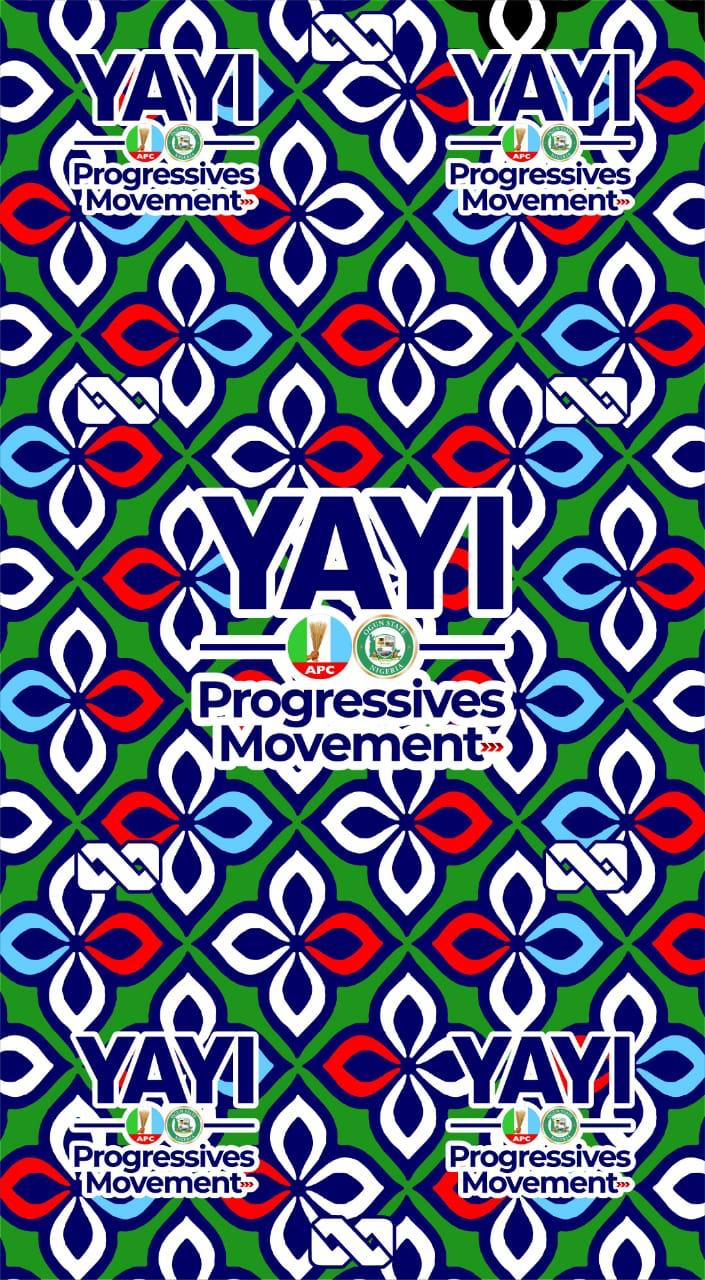
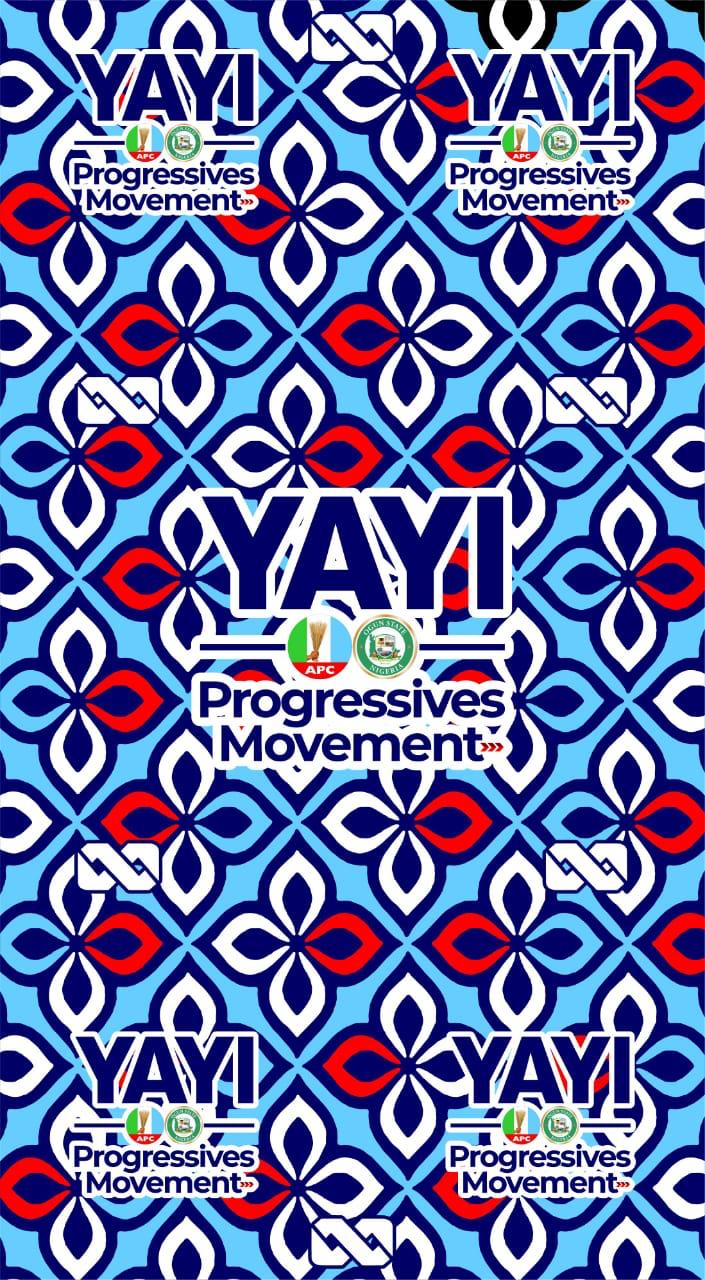
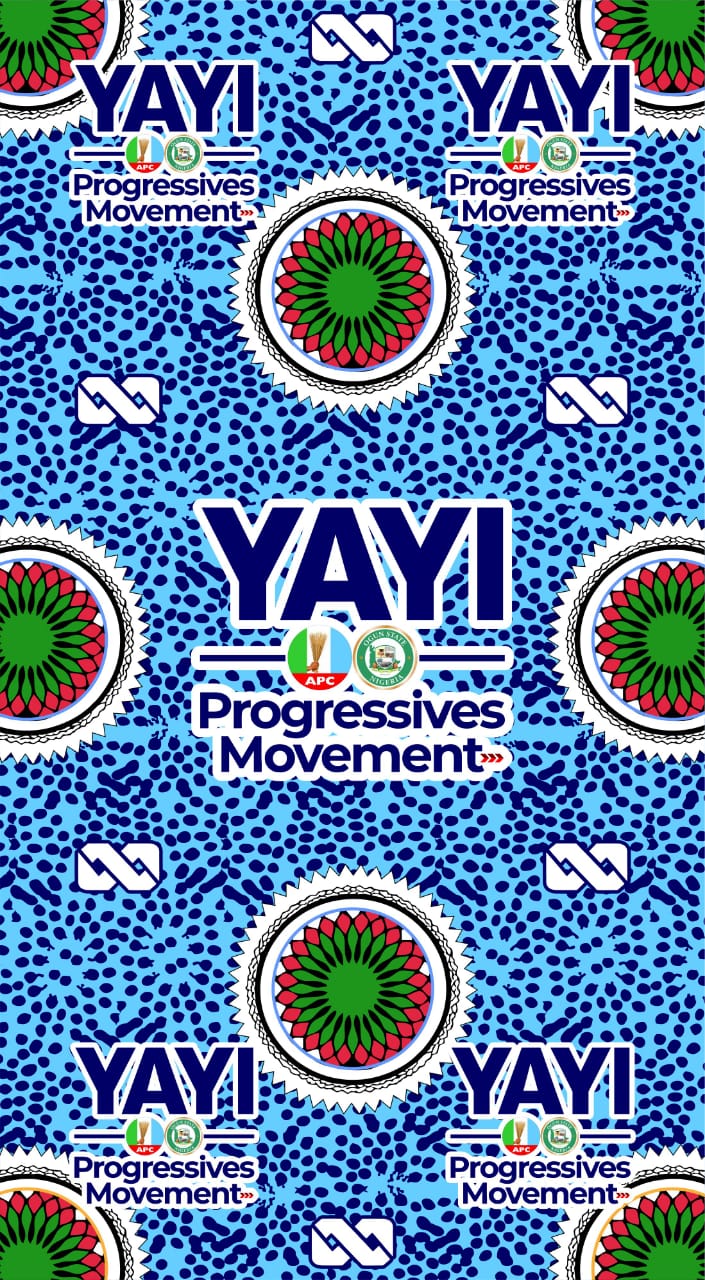
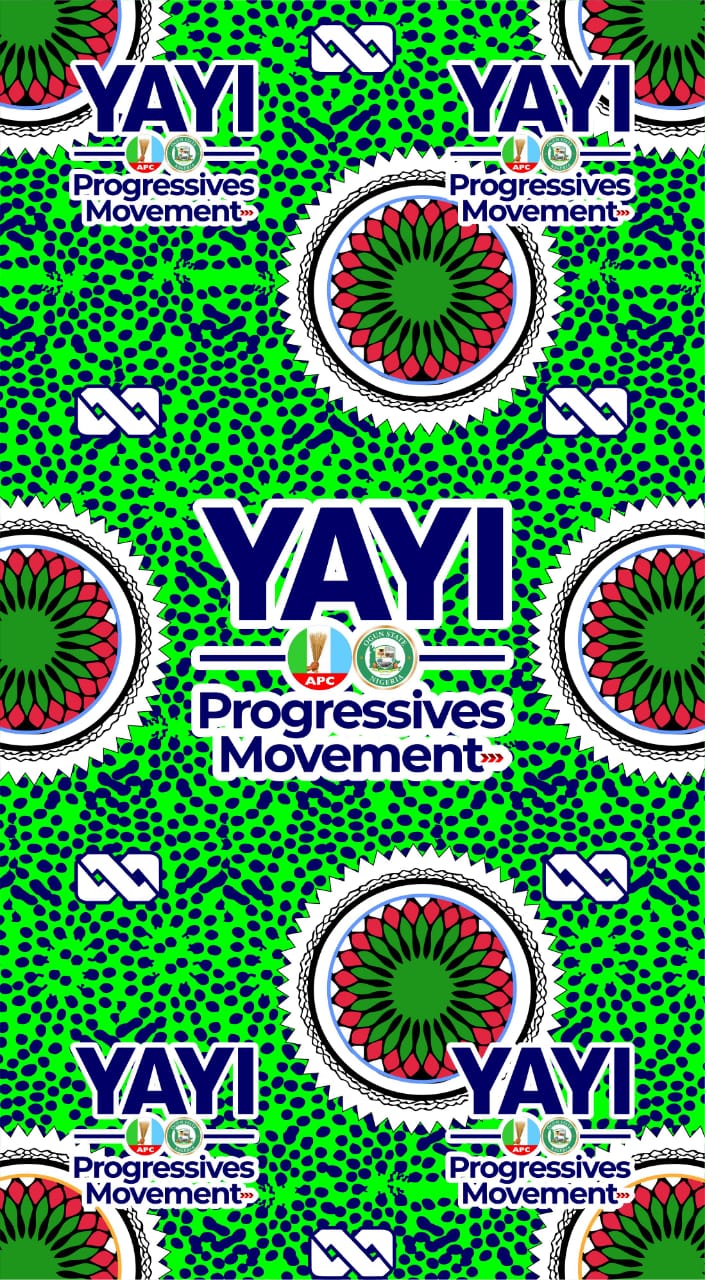 The background designs above were designed for APC using the colors of the party’s logo