
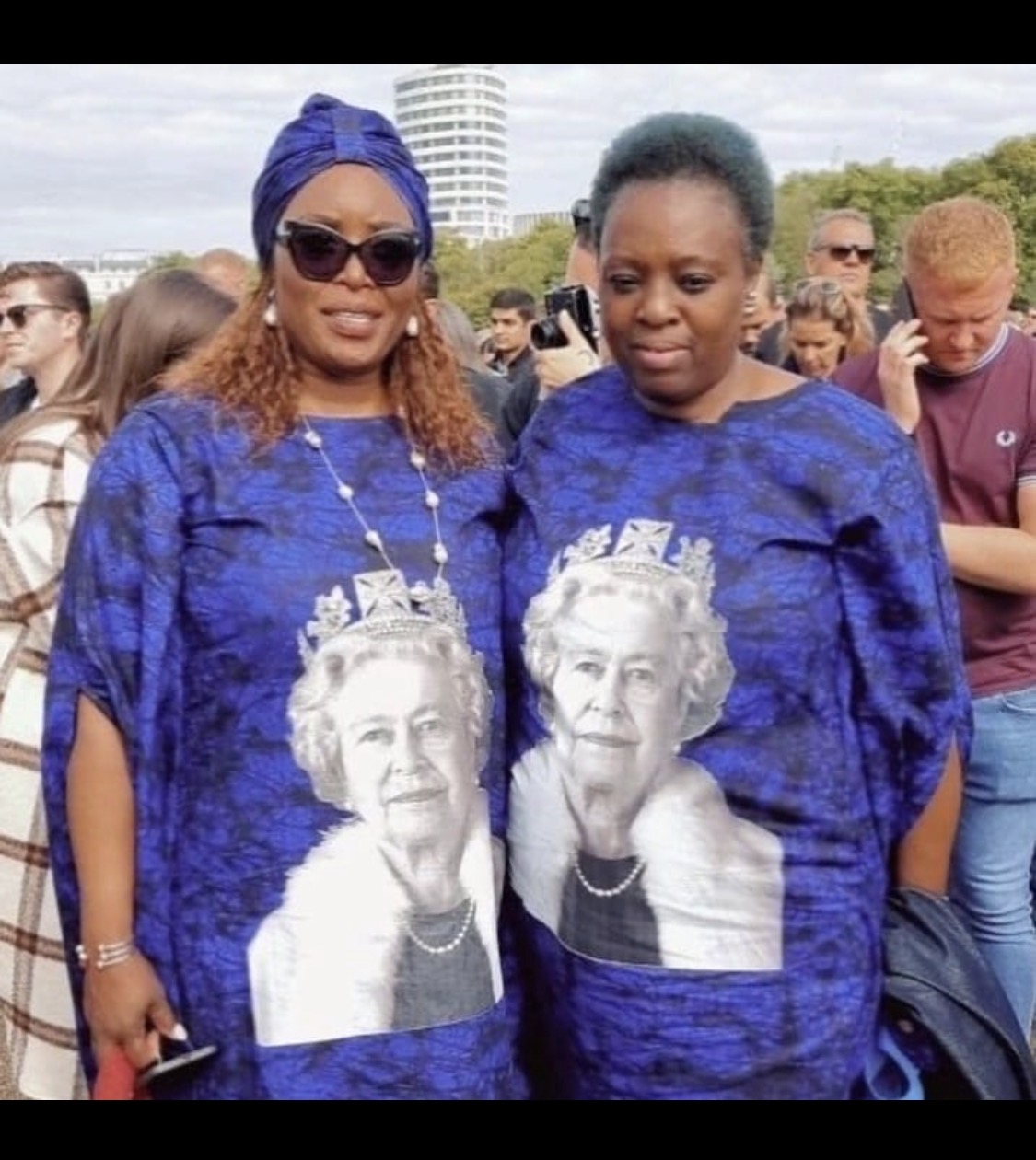
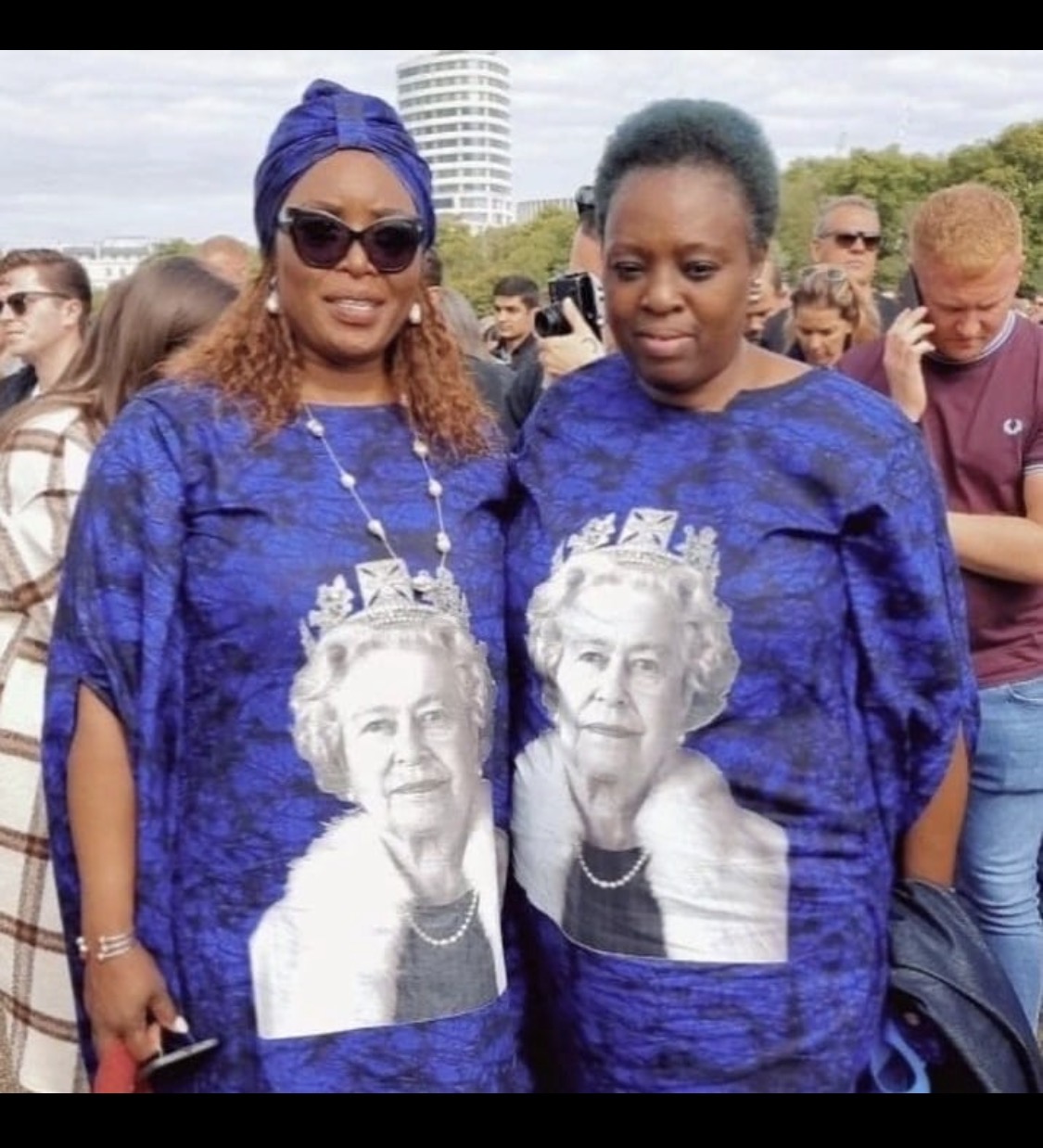
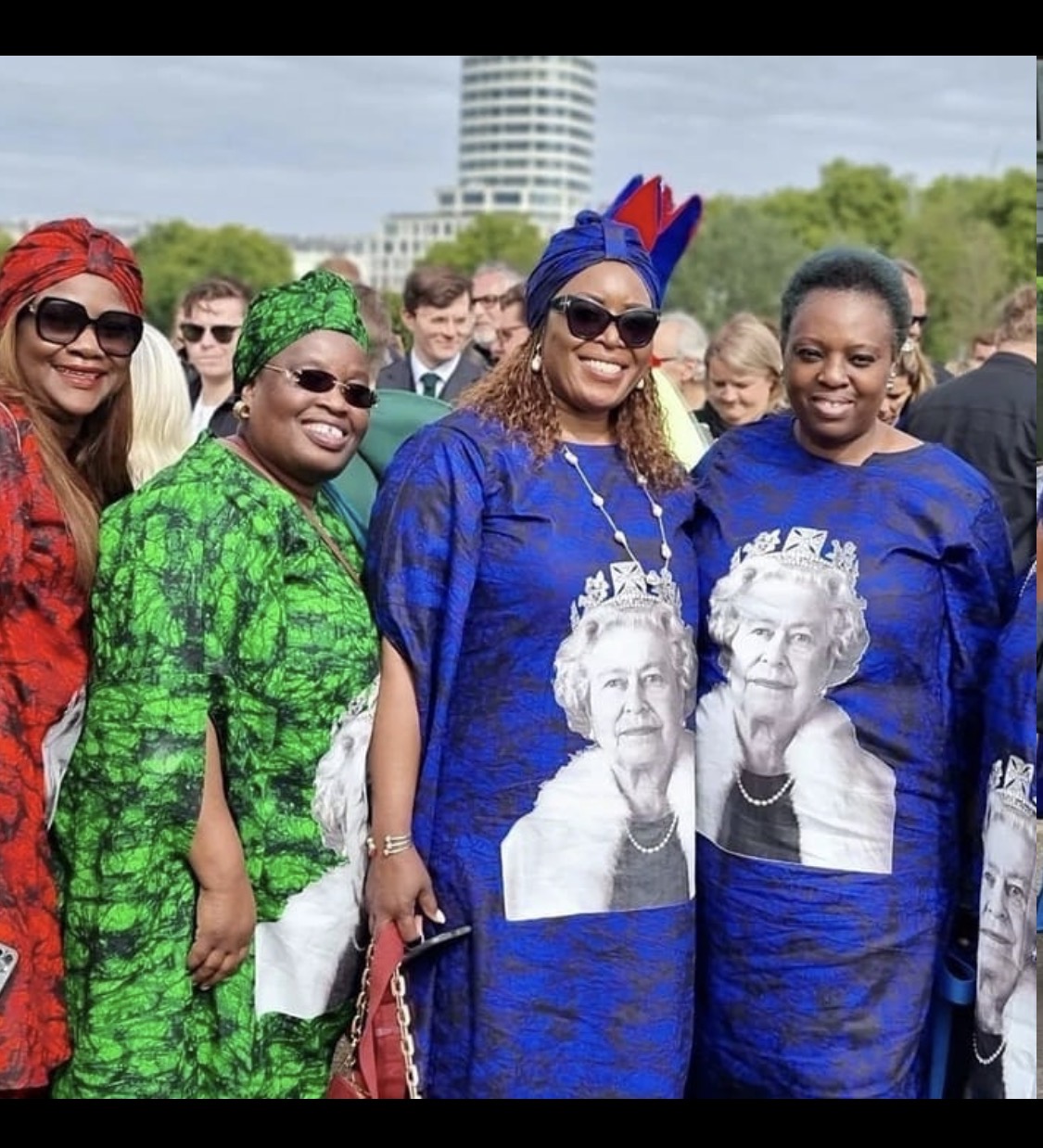
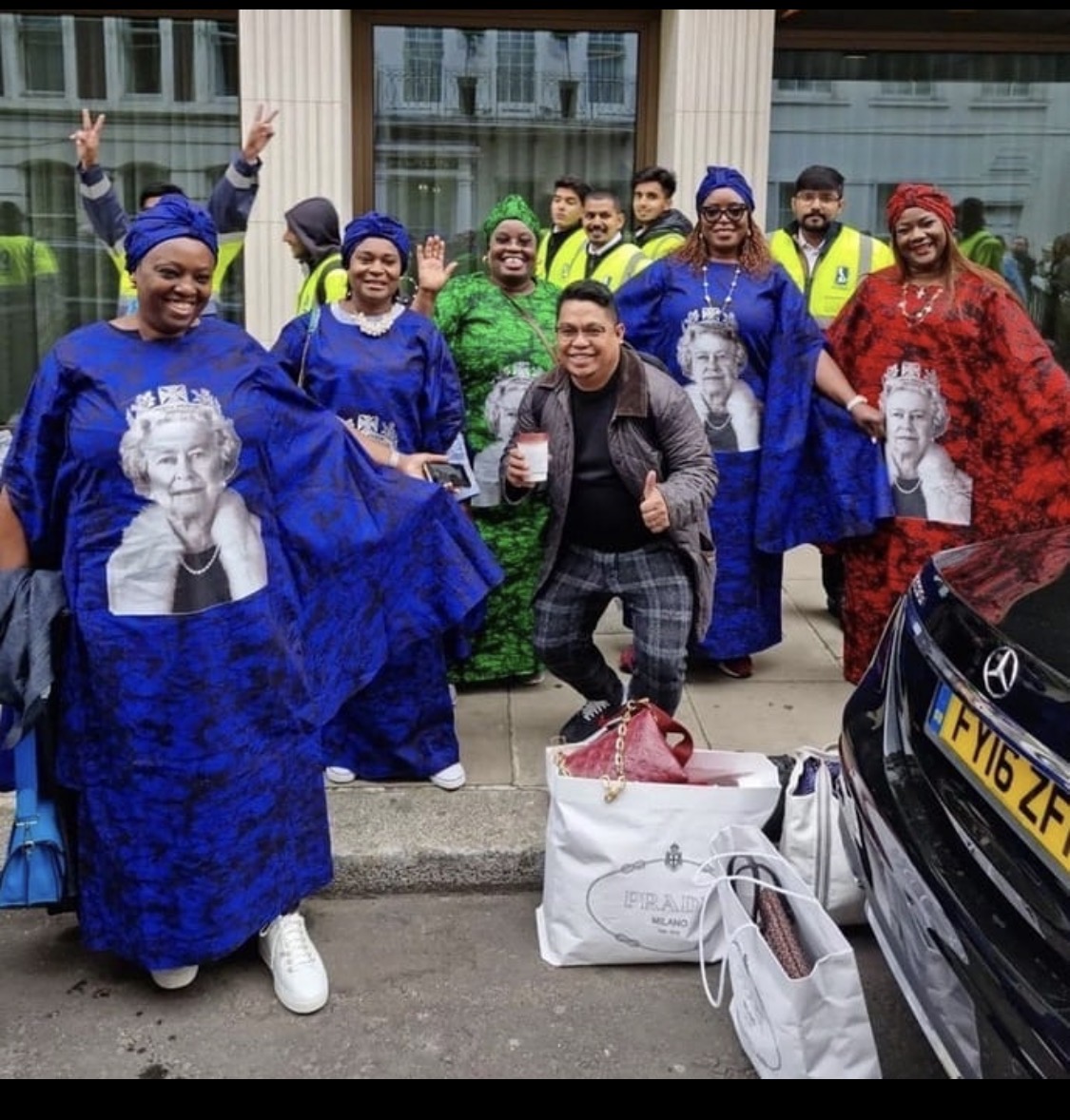
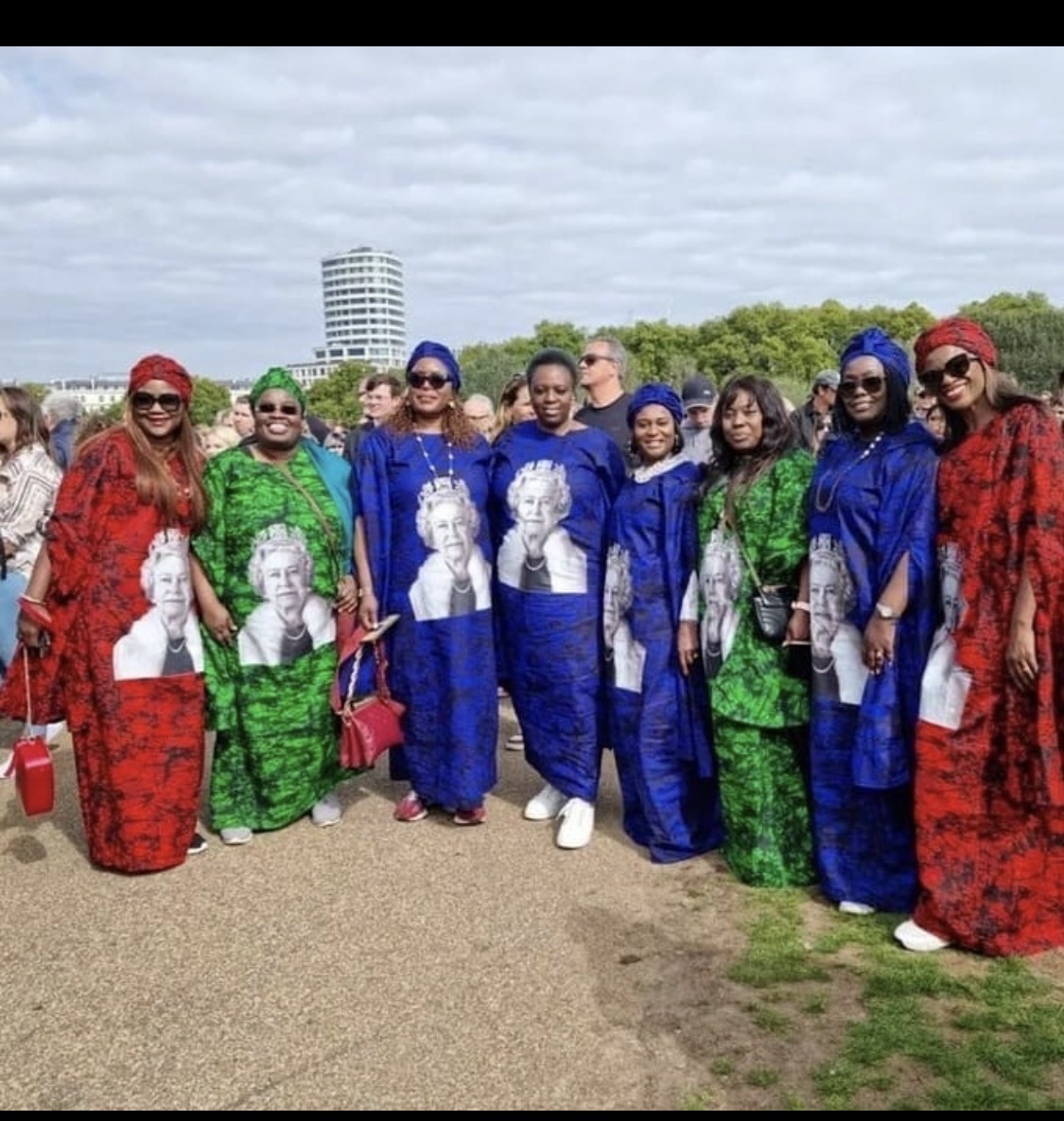
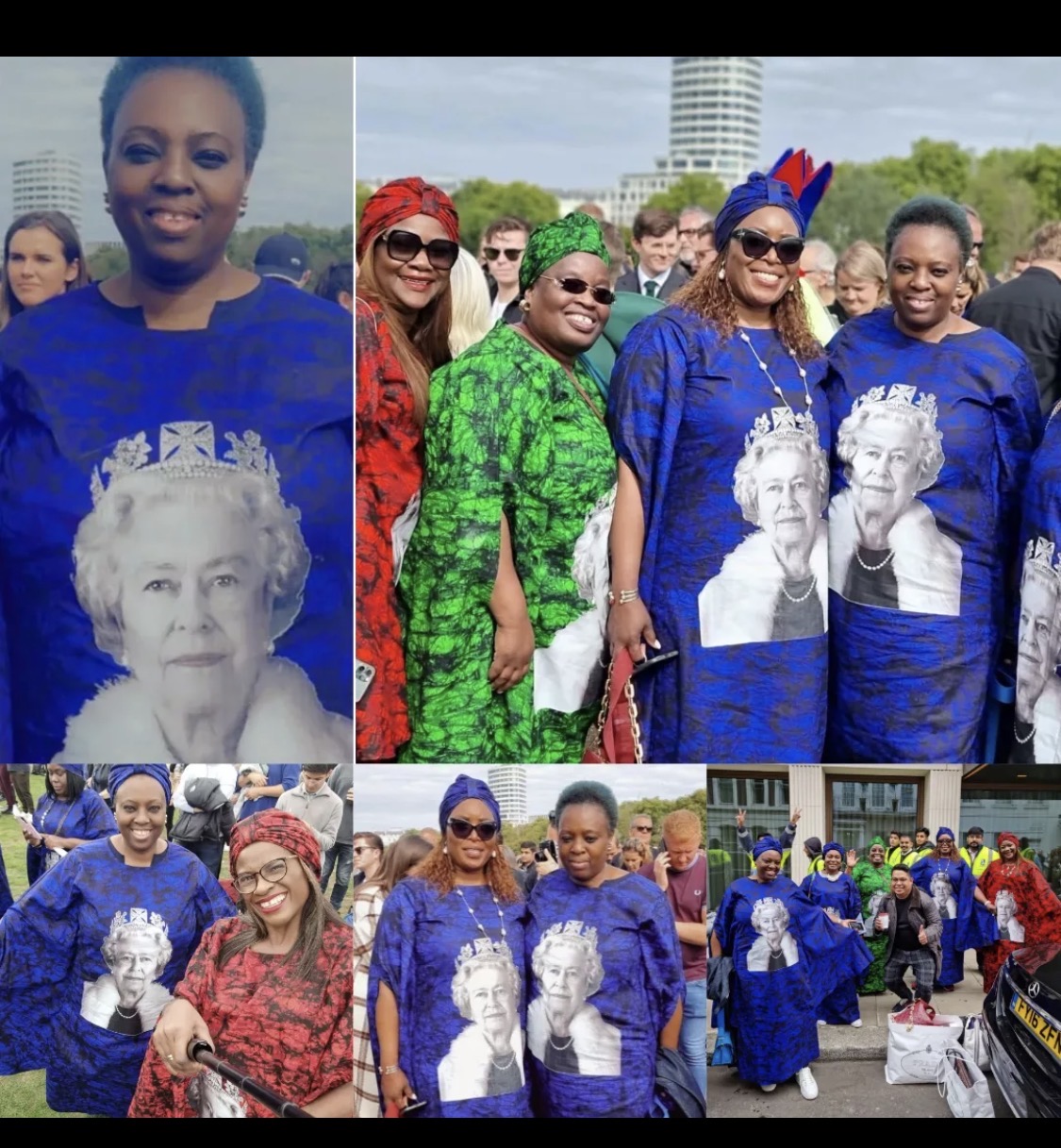
When Queen Elizabeth II died on September 8, 2022, the world mourned the passing of Britain’s longest-reigning monarch. While tributes poured in from governments, royal families, and ordinary citizens across the globe, one of the most unique expressions of grief came from Nigeria. During her state funeral, some Nigerians, particularly members of the Nigerian diaspora in the United Kingdom, wore customized Ankara (aso-ebi) fabrics bearing the Queen’s portrait. The gesture attracted international attention because it reflected a distinctly Nigerian cultural tradition being used to honor a British monarch.
A Brief Background of Queen Elizabeth II
Queen Elizabeth II was born Princess Elizabeth Alexandra Mary Windsor on April 21, 1926. She became queen on February 6, 1952, following the death of her father, King George VI. Her coronation in 1953 marked the beginning of a reign that lasted more than 70 years—the longest in British history.
Throughout her reign, she witnessed extraordinary global changes, including the decline of the British Empire, the emergence of independent nations across Africa and Asia, the Cold War, technological revolutions, and profound political transformations. Rather than remaining the ruler of an empire, she became a symbol of continuity for the Commonwealth, an association of independent nations that includes Nigeria.
Queen Elizabeth’s Relationship with Nigeria
Queen Elizabeth II maintained a significant relationship with Nigeria throughout her reign. Although Nigeria gained independence from Britain on October 1, 1960, the country remained a member of the Commonwealth, an organization of sovereign states committed to cooperation in areas such as education, trade, democracy, and development.
The Queen visited Nigeria twice.
The Historic Visit of 1956
In 1956, four years before Nigeria’s independence, Queen Elizabeth II and Prince Philip visited colonial Nigeria as part of a royal tour. During the visit, they traveled through Lagos, Kaduna, Enugu, Ibadan, and several other cities. Thousands of Nigerians lined the streets to welcome the young monarch.
She met with traditional rulers, colonial administrators, religious leaders, and members of local communities. The visit became one of the largest public events in colonial Nigeria and remains part of the country’s historical archives.
The Commonwealth Visit of 2003
Her second visit came nearly five decades later when Nigeria hosted the Commonwealth Heads of Government Meeting (CHOGM) in Abuja in December 2003.
By then, Nigeria had become a democratic nation after years of military rule. Queen Elizabeth attended the summit, where world leaders discussed democracy, development, international cooperation, and governance. Her presence symbolized Nigeria’s reintegration into the international community after its suspension from the Commonwealth during the military era.
Why Did Nigerians Honor Her Like One of Their Own?
To an outsider, it may seem surprising that Nigerians would celebrate a British monarch with customized Ankara fabrics. However, understanding Nigerian culture explains the gesture.
In many Nigerian communities, important occasions are marked through aso-ebi, a coordinated fabric worn by family members, friends, or supporters to express unity, respect, and participation in an event. While aso-ebi is commonly associated with weddings and birthdays, it is equally important during funerals, anniversaries, coronations, religious celebrations, and other significant occasions.
Printing the Queen’s image on Ankara fabric therefore symbolized several things:
Respect for an elder. In many Nigerian cultures, advanced age is deeply respected. Queen Elizabeth lived to 96 and served as monarch for over seven decades, qualities many Nigerians admired regardless of politics.
Recognition of historical ties. Nigeria’s legal system, parliamentary traditions, educational institutions, language, and civil service all bear lasting influences from British colonial administration. Many Nigerians viewed the Queen as representing that shared history rather than colonial rule itself.
Commonwealth identity. Millions of Nigerians have studied, worked, or lived in the United Kingdom. Through the Commonwealth, the Queen remained a familiar international figure to several generations.
A cultural expression of mourning. Nigerians often commemorate notable individuals through specially designed fabrics. Creating Ankara with the Queen’s portrait transformed an international event into a culturally recognizable form of tribute.
Diaspora identity. Many of those who wore the fabrics lived in Britain. The attire reflected both their Nigerian heritage and their connection to British society, combining two identities in one symbolic gesture.
The Symbolism of the Ankara
The customized fabric represented more than fashion.
It symbolized remembrance.
It symbolized gratitude.
It symbolized respect.
Most importantly, it demonstrated how African traditions can be adapted to honor global figures without abandoning local cultural identity.
Instead of wearing conventional black mourning clothes, these Nigerians expressed grief through a distinctly Nigerian language of celebration and remembrance.
Was Everyone in Nigeria a Supporter?
No.
The tribute did not represent the views of every Nigerian.
Queen Elizabeth’s death also reopened conversations about British colonialism, the transatlantic slave trade, the Benin Bronzes, and the impact of empire on African societies. While some Nigerians admired her dignity and longevity, others argued that the monarchy had never adequately confronted Britain’s colonial legacy.
The customized Ankara therefore represented one group’s cultural expression rather than a national consensus.
Have Africans Celebrated Other Western Public Figures in Similar Ways?
Yes, although Queen Elizabeth’s case remains one of the most visible.
Across West Africa, especially Nigeria and Ghana, commemorative wax prints have long been produced for notable international figures.
Examples include:
- Nelson Mandela (although African rather than Western): commemorative fabrics were widely printed after his death in 2013 and during his centenary celebrations.
- Pope John Paul II: during his visits to African countries and after his death, Catholic communities produced commemorative fabrics bearing his image.
- Pope Francis: customized Ankara and wax-print fabrics have been produced during his visits to countries such as Kenya, Uganda, and the Democratic Republic of Congo, with many worshippers wearing them to papal Masses.
- Barack Obama: following his election as the first African American President of the United States in 2008, several African textile manufacturers produced commemorative wax prints featuring his portrait. These fabrics became especially popular in Ghana, Nigeria, Kenya, and other countries because many Africans viewed Obama’s election as a historic milestone for people of African descent.
Queen Elizabeth’s commemorative Ankara stands out because it was created not for a political campaign or religious gathering, but for the funeral of a foreign monarch. It illustrated how Nigerian cultural traditions can extend beyond national borders, transforming a global event into a local expression of honor and remembrance.
Conclusion
The customized Ankara fabrics worn during Queen Elizabeth II’s funeral were not simply fashion statements. They represented a uniquely Nigerian way of expressing respect for a prominent historical figure whose life intersected with Nigeria’s own story—from colonial rule to independence and the Commonwealth era.
Whether viewed as an act of admiration, cultural diplomacy, or diaspora identity, the fabrics demonstrated the remarkable adaptability of African traditions. They showed that even in mourning, Nigerians often communicate through symbols, textiles, and communal identity. In doing so, they honored Queen Elizabeth II not because she was Nigerian, but because, in their eyes, she had become part of Nigeria’s historical narrative.
- Punch Newspapers – PICTORIAL: How Nigerians in UK celebrated Queen’s funeral
https://punchng.com/pictorial-how-nigerians-in-uk-celebrated-queens-funeral/ - Punch Newspapers – Nigerians bid Queen Elizabeth farewell in aso ebi
https://punchng.com/nigerians-bid-queen-elizabeth-farewell-in-aso-ebi/ - Vanguard Allure – Queen Elizabeth II aso-ebi to be displayed at London Museum
https://allure.vanguardngr.com/2022/09/queen-elizabeth-ii-aso-ebi-to-be-displayed-at-london-museum/ - TheCable Lifestyle – SPOTTED: Nigerian women rock ‘asoebi’ in UK for Queen Elizabeth’s burial
https://lifestyle.thecable.ng/spotted-nigerian-women-rock-asoebi-in-uk-for-queen-elizabeths-burial/ - Gatekeepers News – PHOTOS: Nigerians Rock ‘Aso Ebi’ For Queen Elizabeth’s Funeral
https://gatekeepersnews.com/2022/09/20/nigerians-aso-ebi-for-queen/
For your customize ankara fabrics contact Ola Daviva +2349058767700