The African textile industry has experienced significant changes over the past two decades. One of the most noticeable developments has been the growing popularity of customized Ankara fabrics in Nigeria and across many other African countries.
About 20 years ago, Ankara fabrics were already an important part of African fashion and culture. However, the demand was largely centered around readily available designs produced for the general market. People would visit textile markets and select from the designs that were available at the time.
Today, the story is changing.
Consumers, organizations, political groups, religious institutions, businesses, and social groups increasingly want fabrics that are unique, personalized, and created specifically for them. This shift has created new opportunities for textile manufacturers that specialize in customized African Print Wax fabrics.
How People’s Tastes Have Changed
One of the biggest changes in the African textile market is the growing desire for individuality and identity.
Today’s consumers are more exposed to global fashion trends through social media, international travel, television, and digital platforms. As a result, people are becoming more conscious of how they dress and how their clothing represents their identity.
Rather than simply choosing a fabric because it is attractive, many customers now want designs that tell a story or represent something meaningful.
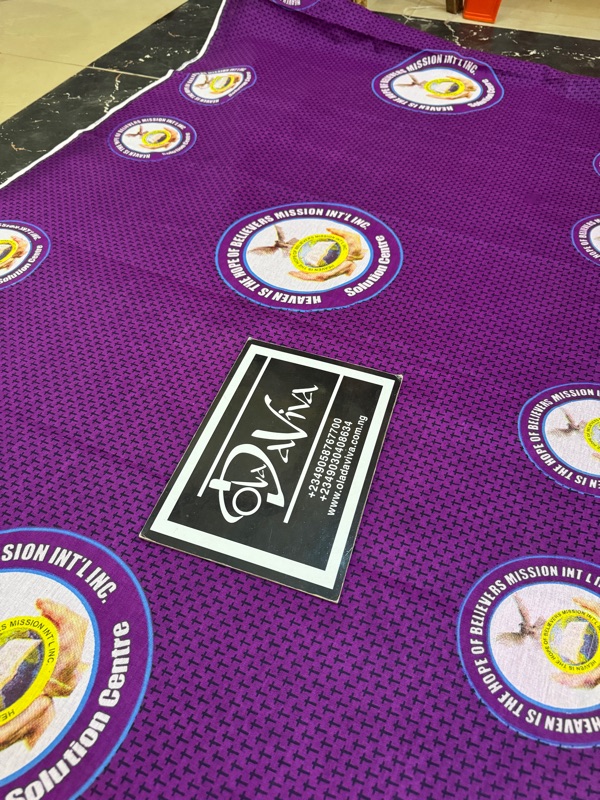
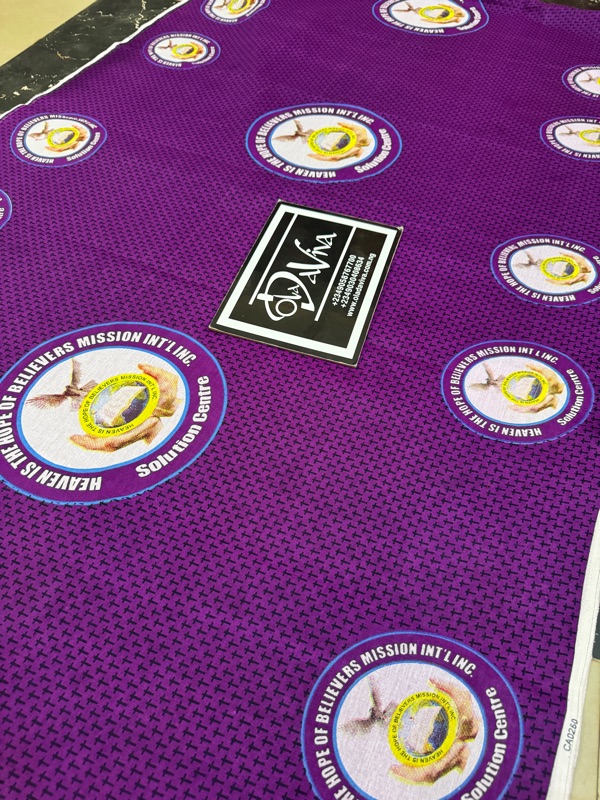
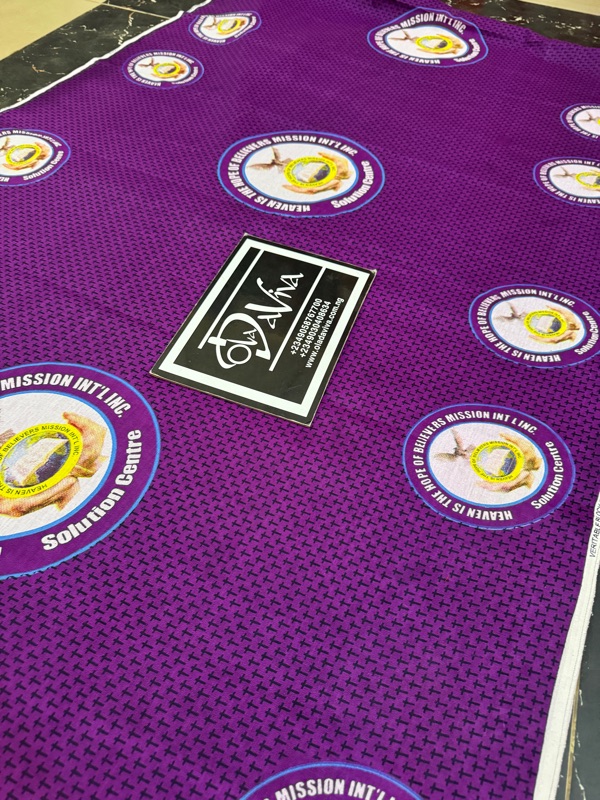
A customized Ankara design can feature a person’s name, photograph, organization, campaign message, logo, slogan, symbols, or other unique elements. This allows the fabric to become more than just clothing material—it becomes a form of communication and identity.
This trend is particularly visible among organizations and groups that want members to have a unified appearance while still expressing their collective identity.
Why Customized Ankara Is Popular at Political Gatherings
Political gatherings are among the events where customized Ankara fabrics have become particularly popular in Nigeria and other African countries.
At political meetings, campaigns, rallies, party events, and celebrations, customized Ankara can serve as a powerful symbol of unity, loyalty, identity, and belonging.
Members of a political group or supporters of a candidate may wear the same customized fabric, creating a strong visual sense of togetherness. The fabric can also carry the colours, symbols, images, or messages associated with a political party, candidate, or campaign.
In large gatherings, coordinated Ankara fabrics make it easier to visually identify supporters and create a sense of collective participation. For many people, wearing the same fabric at an event is also a cultural expression of solidarity.
This tradition is not limited to politics. Similar patterns can be seen among religious organizations, social clubs, professional associations, alumni groups, non-governmental organizations, corporate teams, and families celebrating important occasions.
From Traditional Ankara to Customized Ankara
The evolution of customized Ankara reflects a broader transformation in the textile industry.
Twenty years ago, the focus was largely on producing fabrics for the mass market. Manufacturers created designs that could appeal to a broad range of consumers and distribute them through established textile channels.
Today, there is a growing market for specialized and customized production.
Customers increasingly want something that feels exclusive. A political organization may want a fabric created specifically for a campaign. A religious organization may want a unique print for a convention. A company may want its corporate identity incorporated into the design. A family may want a special fabric for a wedding or celebration.
This demand for personalization has opened the door for a new generation of textile manufacturers and entrepreneurs.
How Customization Has Created Opportunities for New-Generation Textile Businesses
The growth of customized Ankara has helped create opportunities for newer textile businesses that are able to respond quickly to changing consumer preferences.
Companies such as Ola Daviva have positioned themselves within this evolving market by focusing strongly on customized African Print Wax production.
The ability to produce unique designs for specific clients provides an alternative to relying solely on traditional mass-market textile production. It allows manufacturers to serve specialized markets and respond to the growing demand for fabrics that are created for specific groups, organizations, and occasions.
This development is particularly important in an industry that has faced significant economic challenges over the years. Rising production costs, changing consumer behaviour, competition from imported fabrics, currency fluctuations, and other economic pressures have made it increasingly difficult for some traditional textile businesses to remain competitive.
Some older textile businesses have reduced their operations or closed, while newer business models have emerged to serve changing customer needs.
Customized production is one area that has provided opportunities for businesses that are able to adapt to the market.
What Makes Ola Daviva’s Production Model Different?
One of the strengths of Ola Daviva is its focus on understanding the specific needs of each client rather than approaching every customer with a one-size-fits-all model.
The company has developed experience in handling customized Ankara projects for a wide range of clients and purposes. Its production approach is built around several important factors:
Understanding the client’s vision:
Customized textile production begins with understanding what the client wants to communicate through the fabric. The design may represent a person, organization, campaign, event, brand, or special occasion.
Experience with large and specialized orders:
The ability to handle customized projects for different types of clients allows the company to respond to both specific and large-scale production requirements.
International manufacturing relationships:
Long-standing relationships with textile manufacturing partners in countries such as China and India provide access to international production networks and expertise. This can be particularly valuable when dealing with large production volumes or specialized manufacturing requirements.
Focus on customized African Print Wax:
Rather than depending entirely on the traditional mass-market model, the company has developed a strong presence in the customized Ankara segment, where clients are looking for unique designs.
Understanding the African market:
Having a strong understanding of African culture, fashion preferences, events, and social traditions is important when producing fabrics for African consumers. Customized Ankara is not simply about printing a design on fabric; it is also about understanding the cultural meaning behind the design.
These factors can help a textile business remain adaptable in a changing market.
The Future of Customized Ankara in Africa
The popularity of customized Ankara fabrics is likely to continue evolving as African consumers become more connected, fashion-conscious, and interested in personalization.
The rise of social media has also created new possibilities. A unique Ankara design can become part of an organization’s identity or create visibility for a brand, event, campaign, or celebration.
For political groups, customized Ankara remains an effective way to create visual unity. For religious organizations, it can strengthen a sense of community. For businesses, it can reinforce corporate identity. For families and social groups, it can make important occasions more memorable.
The textile industry of today is therefore very different from what it was two decades ago. The market is no longer driven only by what manufacturers choose to produce for the mass market. Increasingly, customers want to participate in the creative process and have fabrics designed specifically for their needs.
For businesses like Ola Daviva, this shift represents an opportunity to combine textile manufacturing experience, international partnerships, and an understanding of African consumer preferences to serve a growing market.
As tastes continue to change, the future of African textiles may belong to manufacturers that are able to adapt, customize, innovate, and understand the people they serve. In a competitive industry, the ability to stay relevant to customers can be just as important as the ability to produce quality fabric.